a short essay
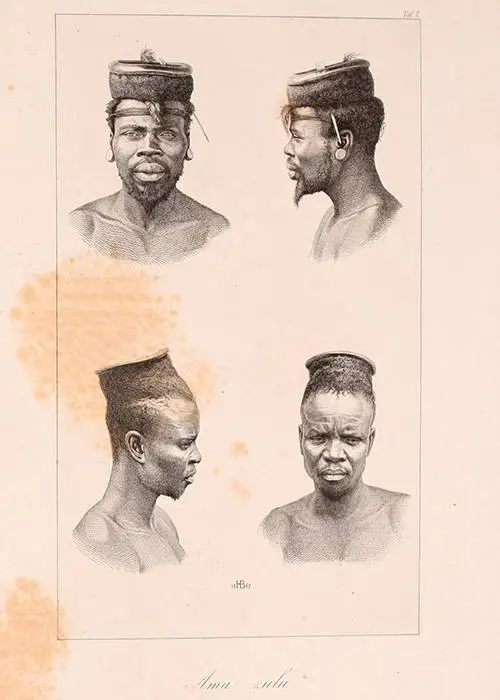
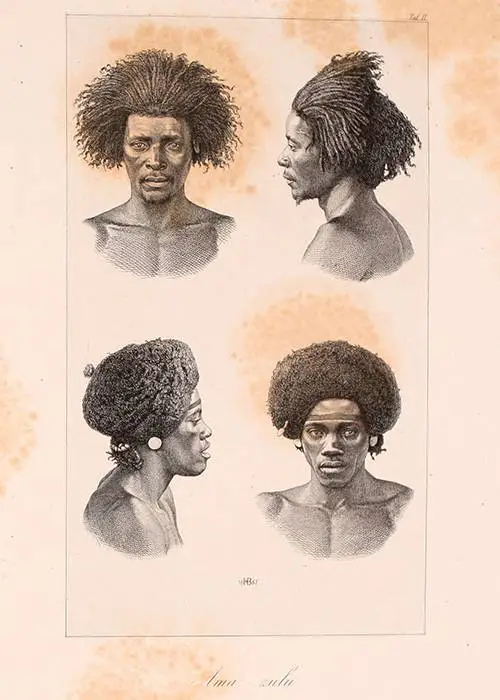
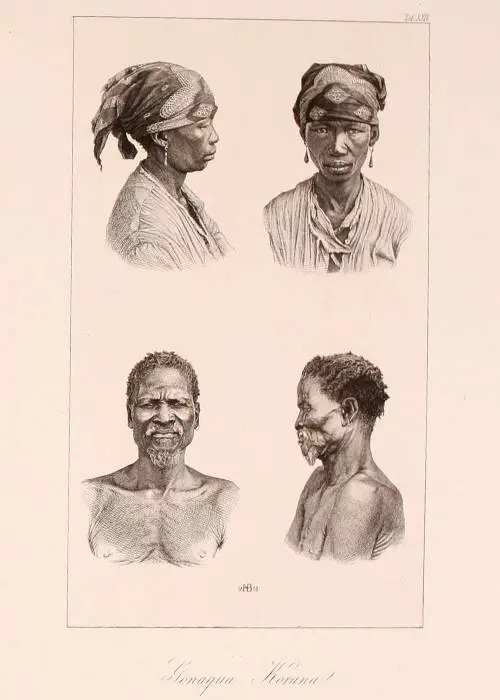
drawings by Gustav Fritsch, self-proclaimed to be “ethnographic and anthropological”1.
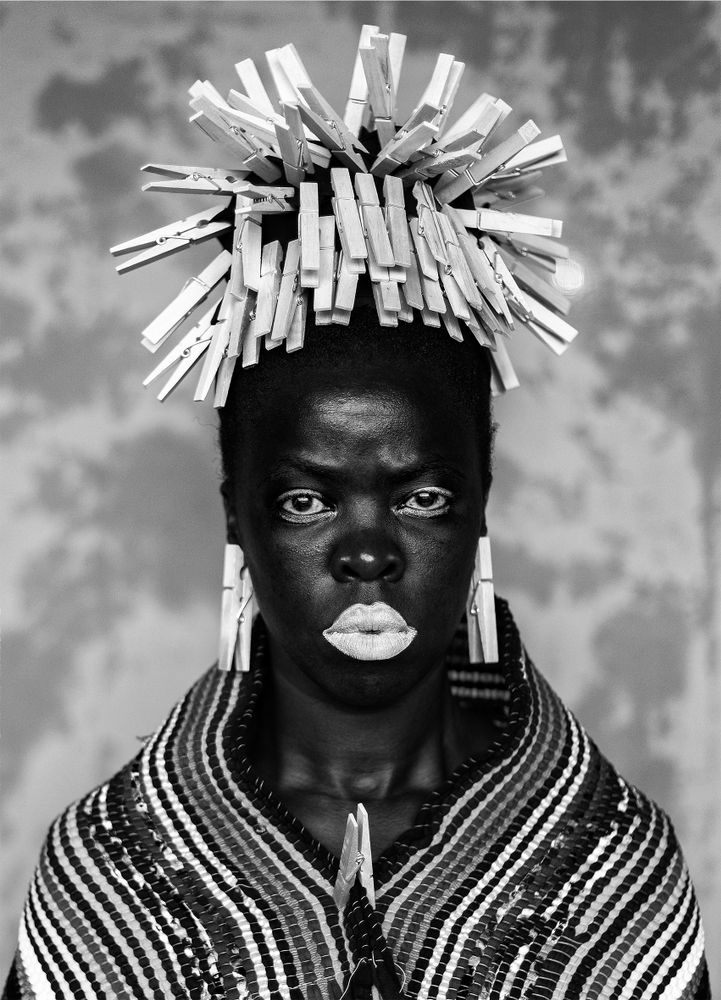
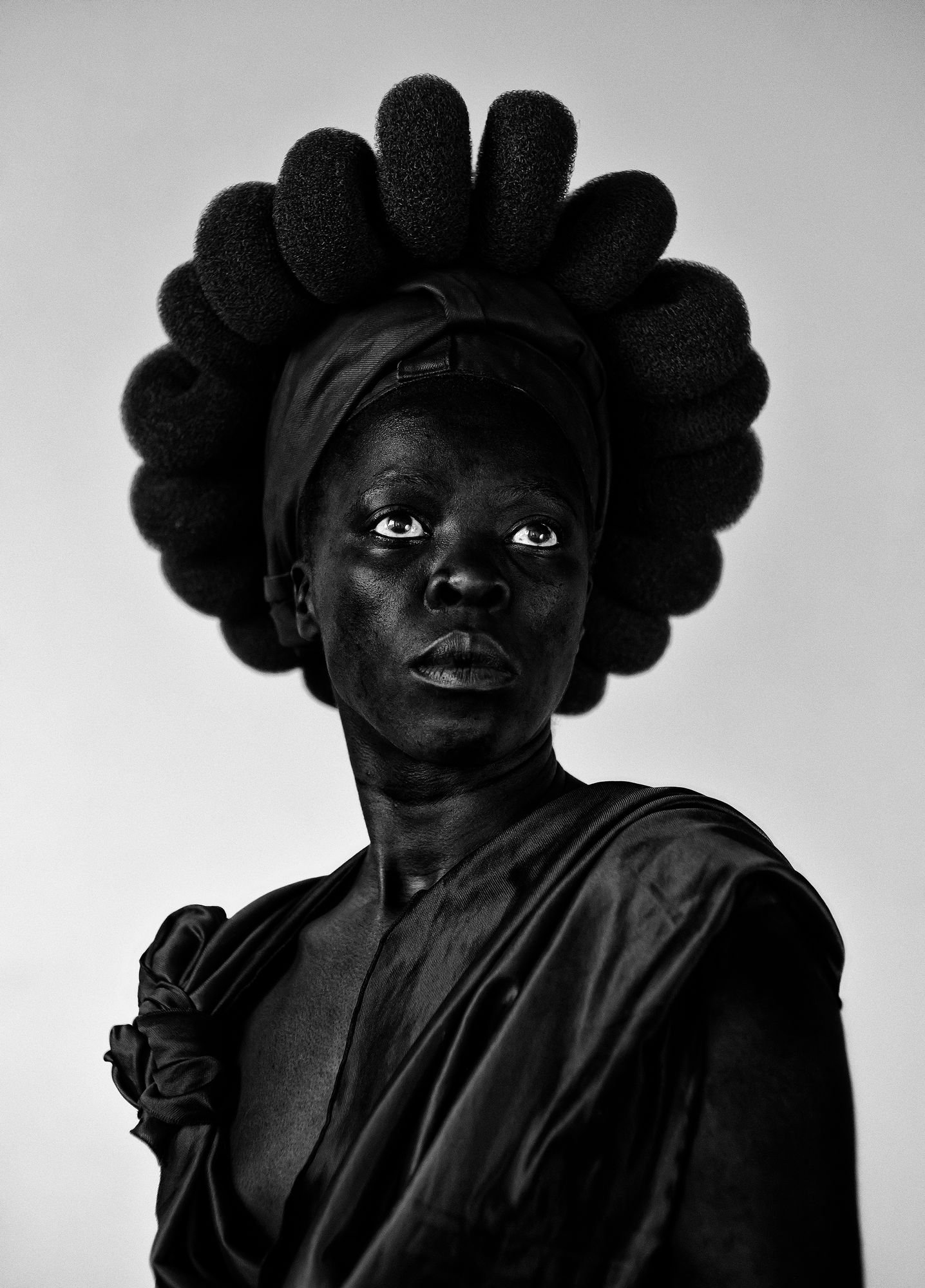
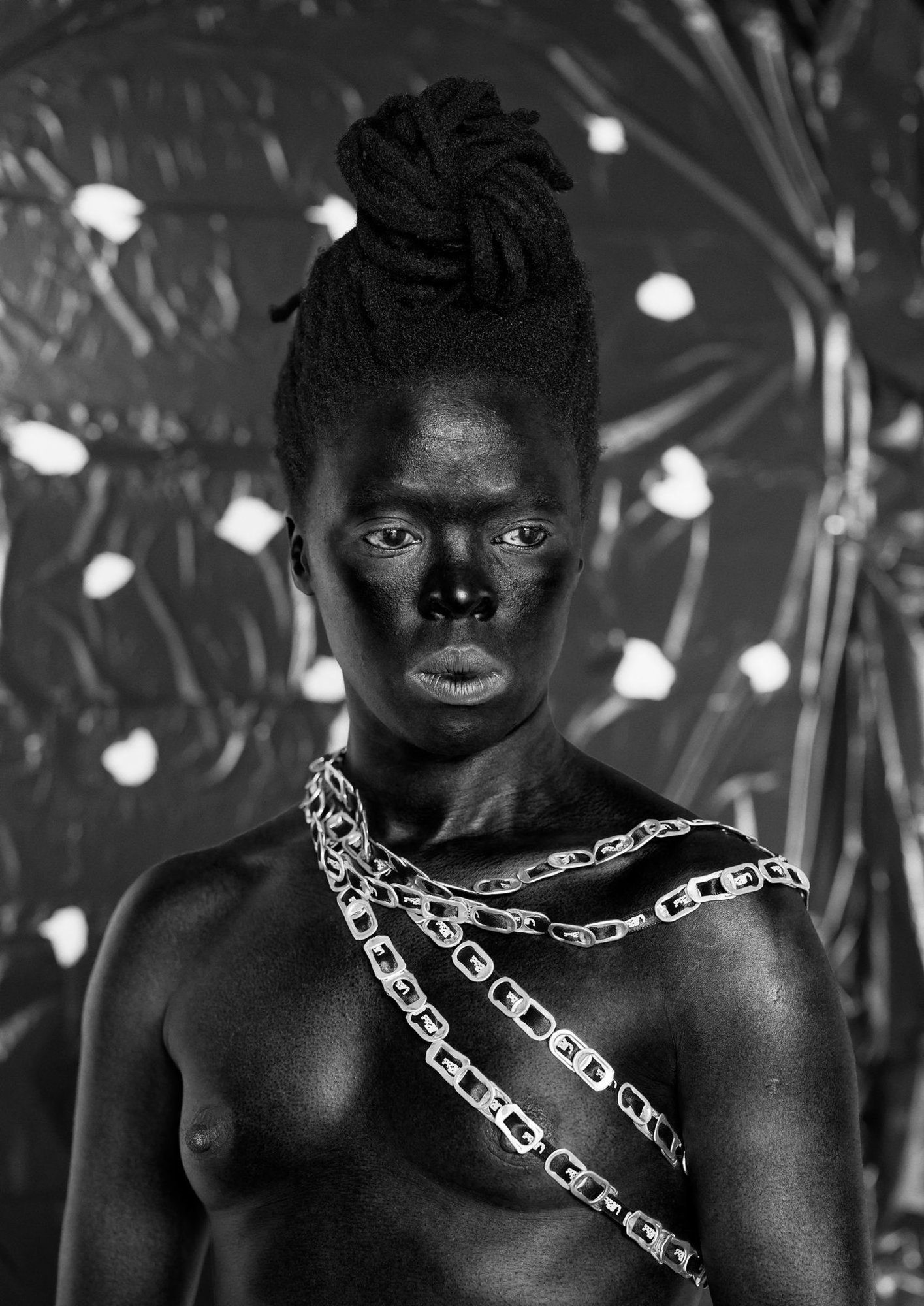
self-portraits by Zanele Muholi, a self-titled visual activist2
Fritsch's ethnographic drawings document people and societies from a detached, observational standpoint. his work is deeply rooted in a colonialist gaze, where subjects are framed much like wild animals, within the Western notions of hierarchy, otherness, and sterile, scientific observation. although they are ‘objective’ representations of people, the viewer interprets the depicted communities through pre-established frameworks. these works convey a political message largely because they are instruments of representation imposed on others rather than used by them.
Zanele Muholi's self-portraits, on the other hand, actively subvert traditional power dynamics in visual representation. Muholi, through photography, often portrays black queer people, reclaiming how their bodies and identities are seen and presents them with agency and dignity. particularly in these self-portraits, the power comes from self-representation and challenging hegemonic visual languages.
and so through this, the idea of gaze emerges. it is this political lens that comes along with visual representations. it is unavoidable in representational regimes of art, as outlined by Ranciere (see aesthetics).
adrian robinson
last updated: december 2025