an explorative essay
prefigurative politics is the idea that to create meaningful social change, a movement must act as if the society it wants already exists (Leach, 2013).
i find this especially interesting when thinking about Fanon. he argued that true social change comes only through violent revolution. prefigurative politics seems to prevent this: unless your vision of society involves violence, you cannot act violently now. if Fanon is right, and you reject a violent society, then can you ever truly bring about social change?
i partially agree with Fanon, though his view feels quite pessimistic. framing it this way also implies that non-violent movements are ineffective or insignificant, which i don’t believe to be true.
to me, a prefigurative ‘revolution’ is still possible. it relies on faith in people - that they will gradually choose alternatives to the existing social structures. since people’s beliefs and thoughts are always in flux, a movement’s vision can guide this ‘random’ change, slowly reshaping society over time to align with the values it advocates.
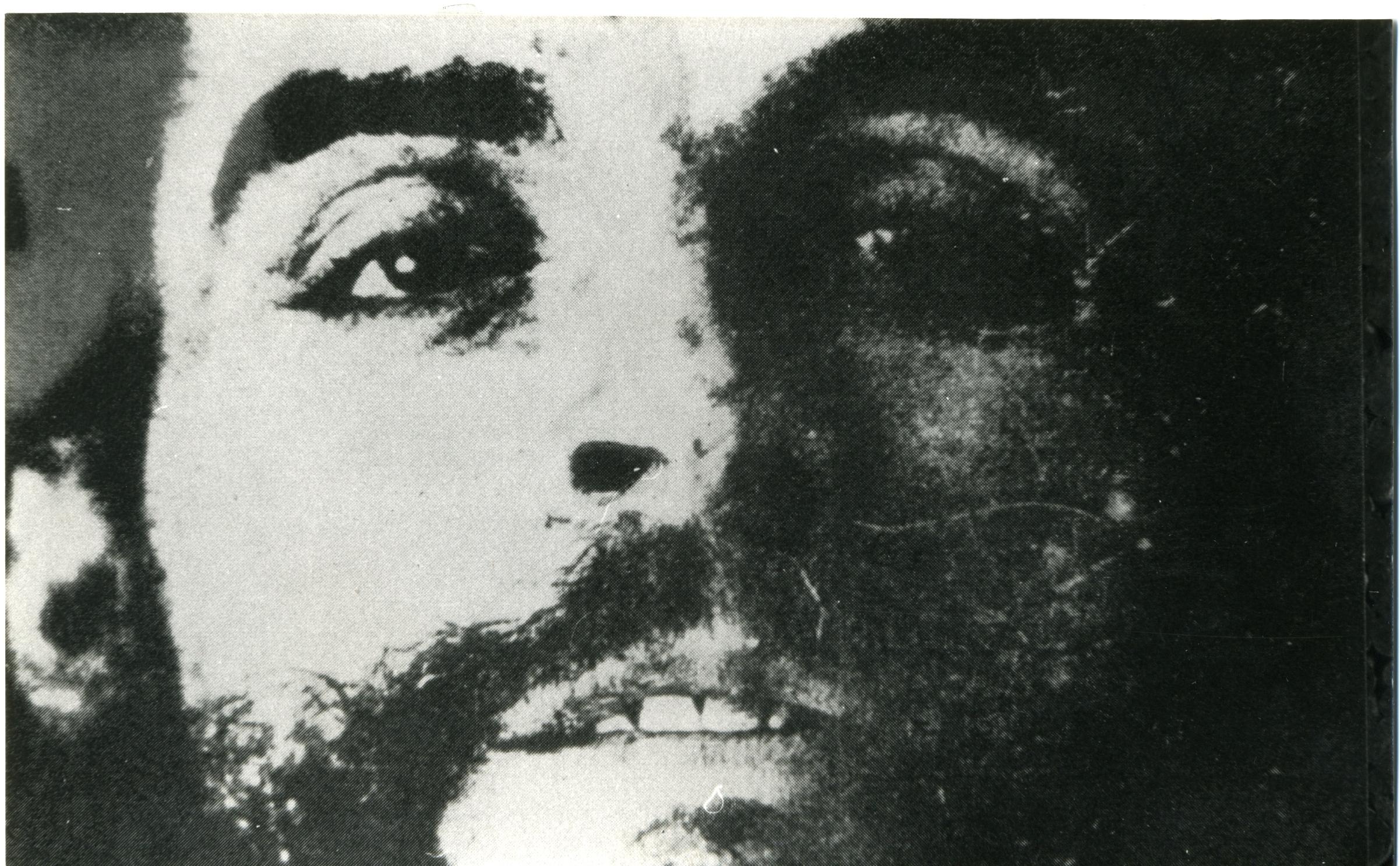
prefigurative politics in art means creating work that embodies the society you wish to see. it is about practicing the principles you advocate through the artwork itself, rather than just representing them. (this idea of representation makes me think of Ranciere's regimes of art, which i speak briefly about in aesthetics. in this case, the notion of prefigurative politics would be communicated through the aesthetic regime because you must act as though your political idealogies are already accepted). in this sense, the process becomes as important as the final piece: the methods should mirror the social change the artist hopes to inspire. Fanon's ideas of revolution and liberation appear in art when the work confronts structures of oppression directly, exposing systems of power and imagining alternatives. third cinema, as exemplified by the hour of the furnaces (1968), foregrounds the collective struggle of marginalized communities, using narrative, imagery, and participatory techniques to enact the political transformation it depicts. the film functions both as witness and agent of social change, echoing the tension between Fanon's call for radical action and prefigurative patience.
ultimately, there exists this tension between the ‘naive’ idea of prefigurative politics that i have - the sort of political ideal you think of as a child - and the ‘extreme’ perspective of Fanon, which could also be considered prefigurative in a sense. and so art can play a huge role here as a mediator and conversation starter to reflect on this tension and find your positioning among these extremes. this is the sort of tension i tried to capture in the flashing text you find at the top of this page.
adrian robinson
last updated: december 2025